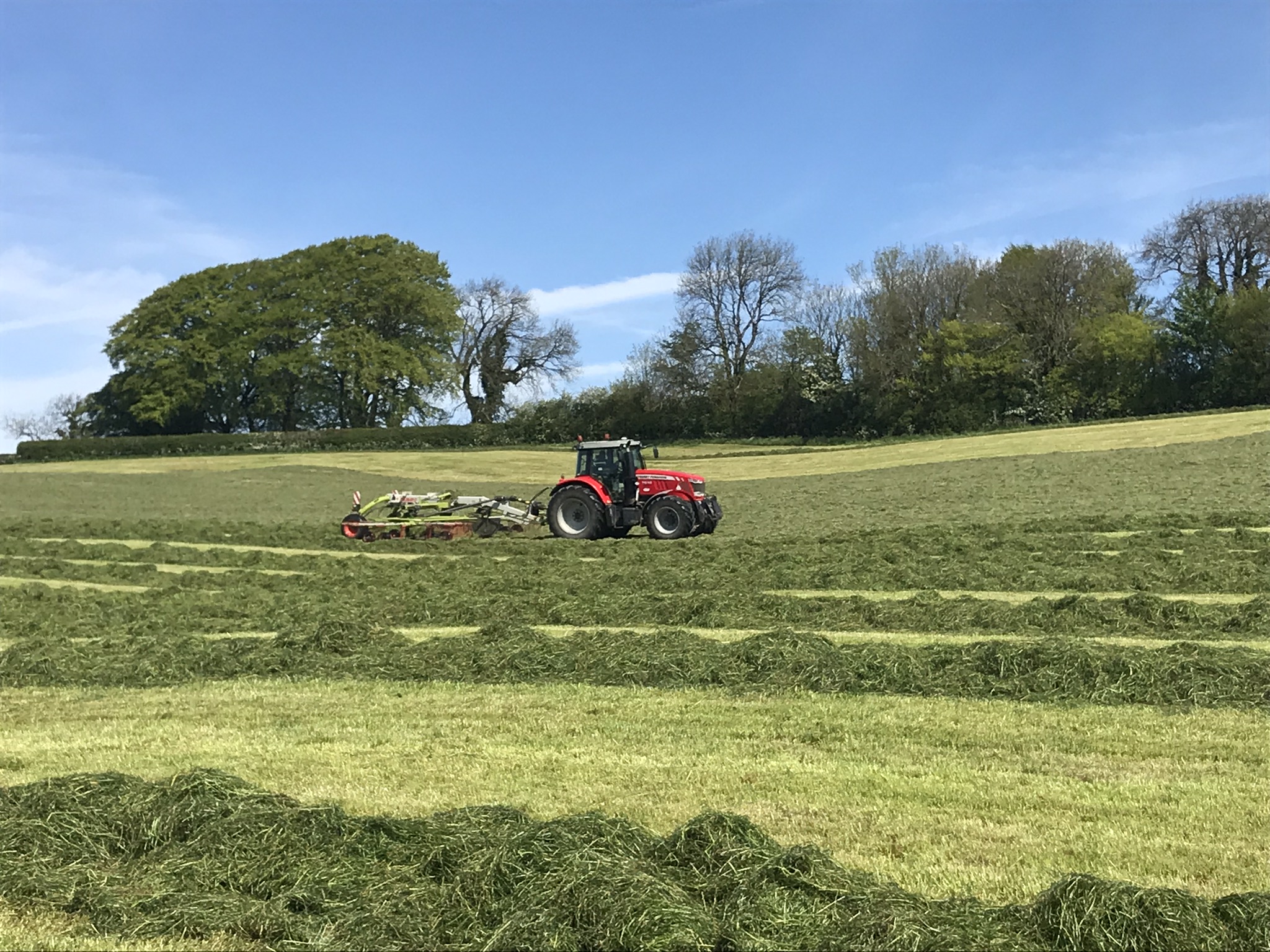

Early cut silage often delivers excellent feed value, but it can also bring a few fermentation challenges, particularly because early crops are frequently harvested with lower dry matter. Younger grass naturally contains more moisture, and if weather conditions limit wilting time, achieving the right balance between fermentation and clamp management becomes more important.
From a fermentation perspective, allowing the crop to wilt for around 24 hours where conditions allow is often ideal. Even a relatively short wilt increases dry matter, concentrates sugars and creates better conditions for the lactic acid bacteria responsible for preserving the crop. Silage in the region of 28–35% dry matter generally provides a good balance between fermentation efficiency and clamp management.
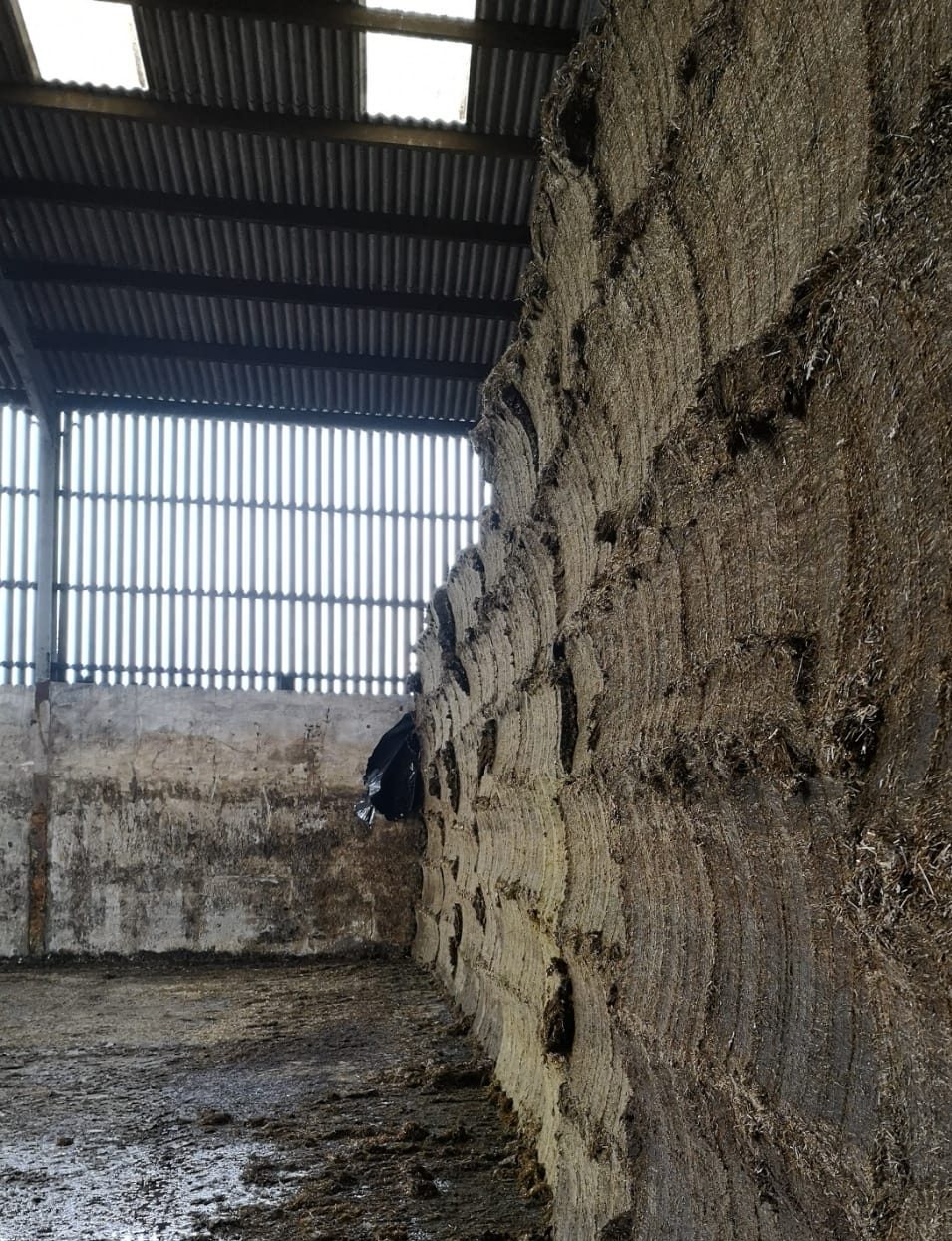
Early crops are often still relatively wet when they go into the clamp, which makes chop length particularly important. Very short chopped, wet silage can increase the risk of clamp slip, particularly in taller clamps or where consolidation pressure is high. Wet, finely chopped forage can also produce a very dense silage that may present rumen health challenges when fed.
For this reason, when crops are on the wetter side, maintaining a slightly longer chop length can help maintain fibre structure in the silage. This improves clamp stability and helps reduce the risk of slip while still allowing effective consolidation.
Another risk with wetter crops is effluent loss. Effluent contains dissolved sugars, proteins and minerals that represent valuable nutrients leaving the clamp. Once dry matter drops much below around 25%, the likelihood of effluent increases significantly, so even a modest wilt can help reduce losses.
Because early silages can vary considerably in dry matter and sugar content, fermentation may be less predictable than with later cuts. Using a silage inoculant to support a fast and consistent fermentation can help reduce this variability by encouraging beneficial bacteria to dominate early in the clamp. Combined with good wilting, appropriate chop length and careful clamp management, this helps preserve the quality of early cut forage.